Infrastructure
Validators, RPC services, archives, and monitoring systems support the flow of information and requests.
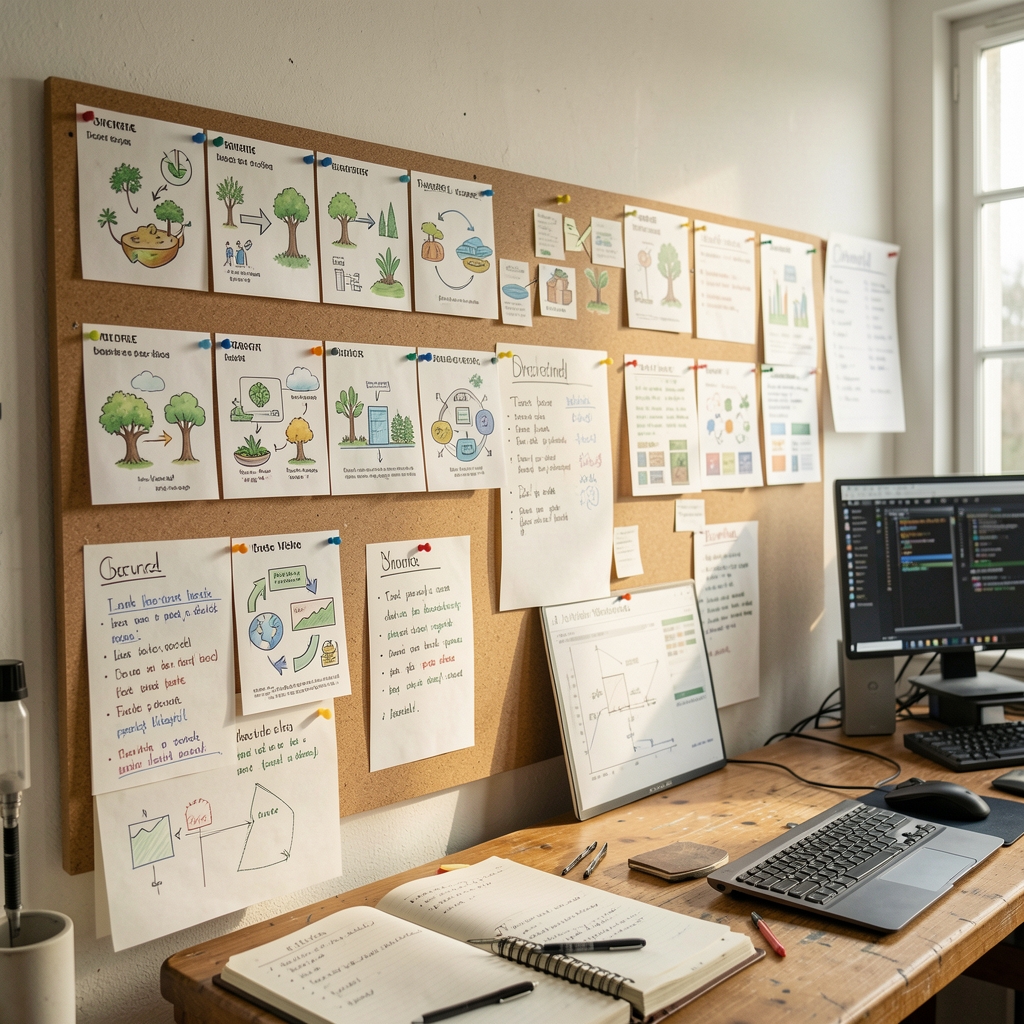
A connected landscape
An ecosystem includes protocols, programs, developer tools, interfaces, operators, educators, and communities. A useful overview shows how these parts relate without treating them as one organization.
Explore key termsValidators, RPC services, archives, and monitoring systems support the flow of information and requests.
Applications present workflows to people and often connect multiple programs, accounts, and data sources.
Documentation, open-source work, education, governance discussion, and local events add social context to technical systems.
| Layer | Typical question | Useful source |
|---|---|---|
| Protocol | What rules coordinate activity? | Current technical documentation |
| Program | What behavior can be invoked? | Interface and repository materials |
| Service | How is data or access presented? | Provider documentation and terms |
| Community | How are ideas discussed and maintained? | Public forums, events, and contribution records |
“An ecosystem map is a reading aid: it should reveal connections while preserving the differences between them.”
These questions help readers distinguish a protocol rule from a product interface or a community explanation.
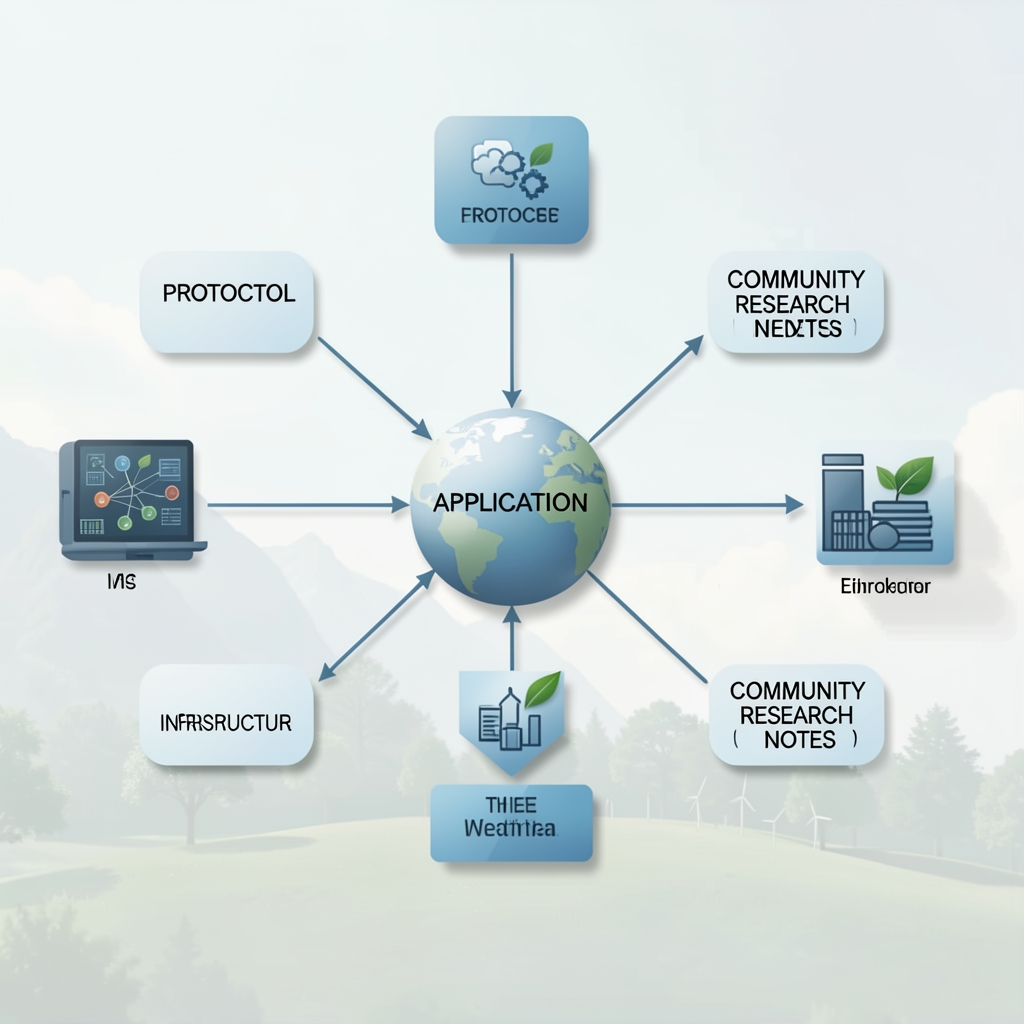
Wridian presents relationships for learning. Inclusion on an overview page is not an endorsement, audit, or recommendation.